đź§¶ Yarn Calculator

Try

Visit our Etsy Shops

Pick a shop to browse. Each one opens on Etsy in a new tab.

Yarn & Materials

Best Yarn for Baby Crochet Items: Safe and Washable

Best yarn for baby crochet: machine washable fibers, what the OEKO-TEX mark covers, the weights baby patterns use and which yarns to skip.

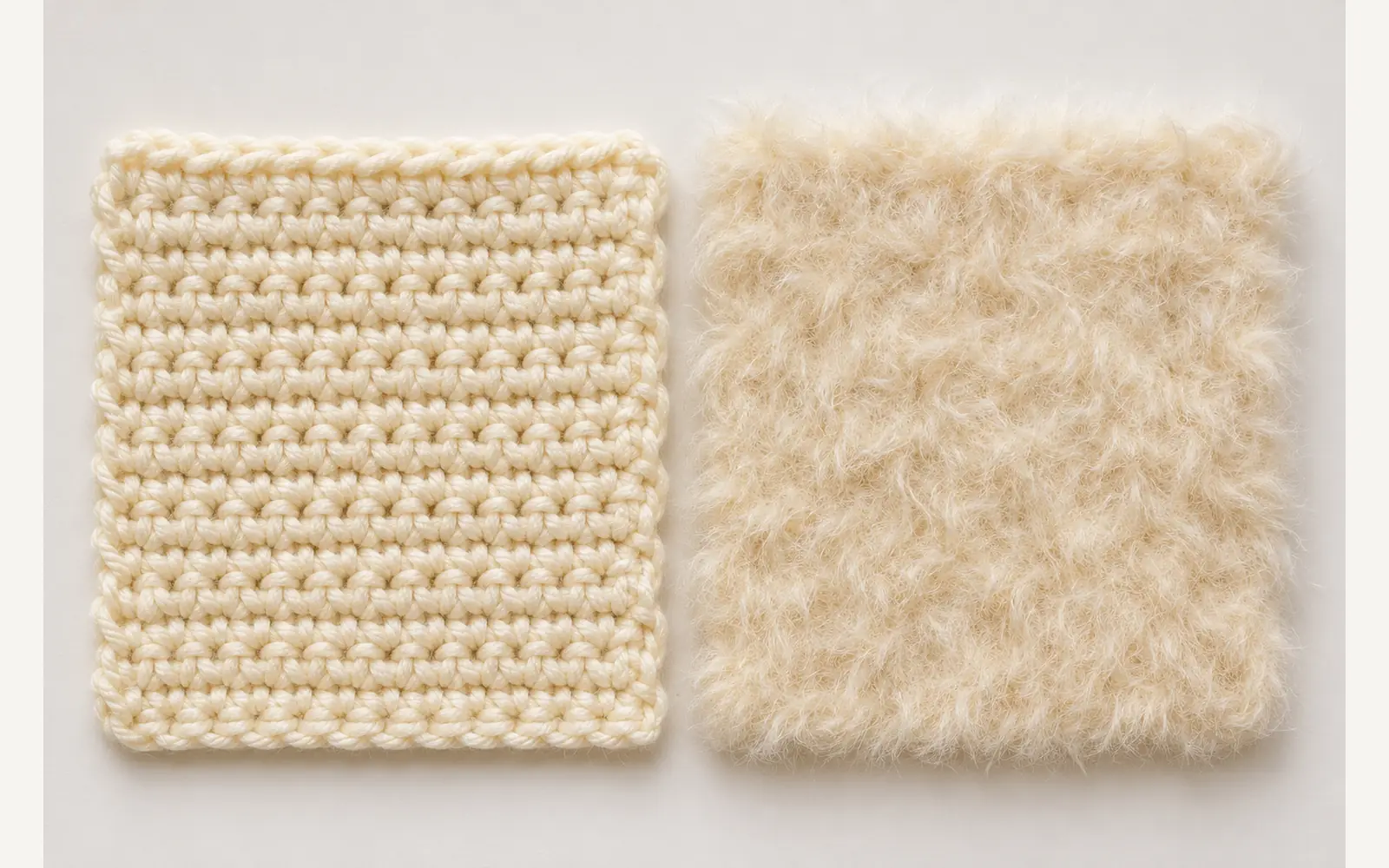
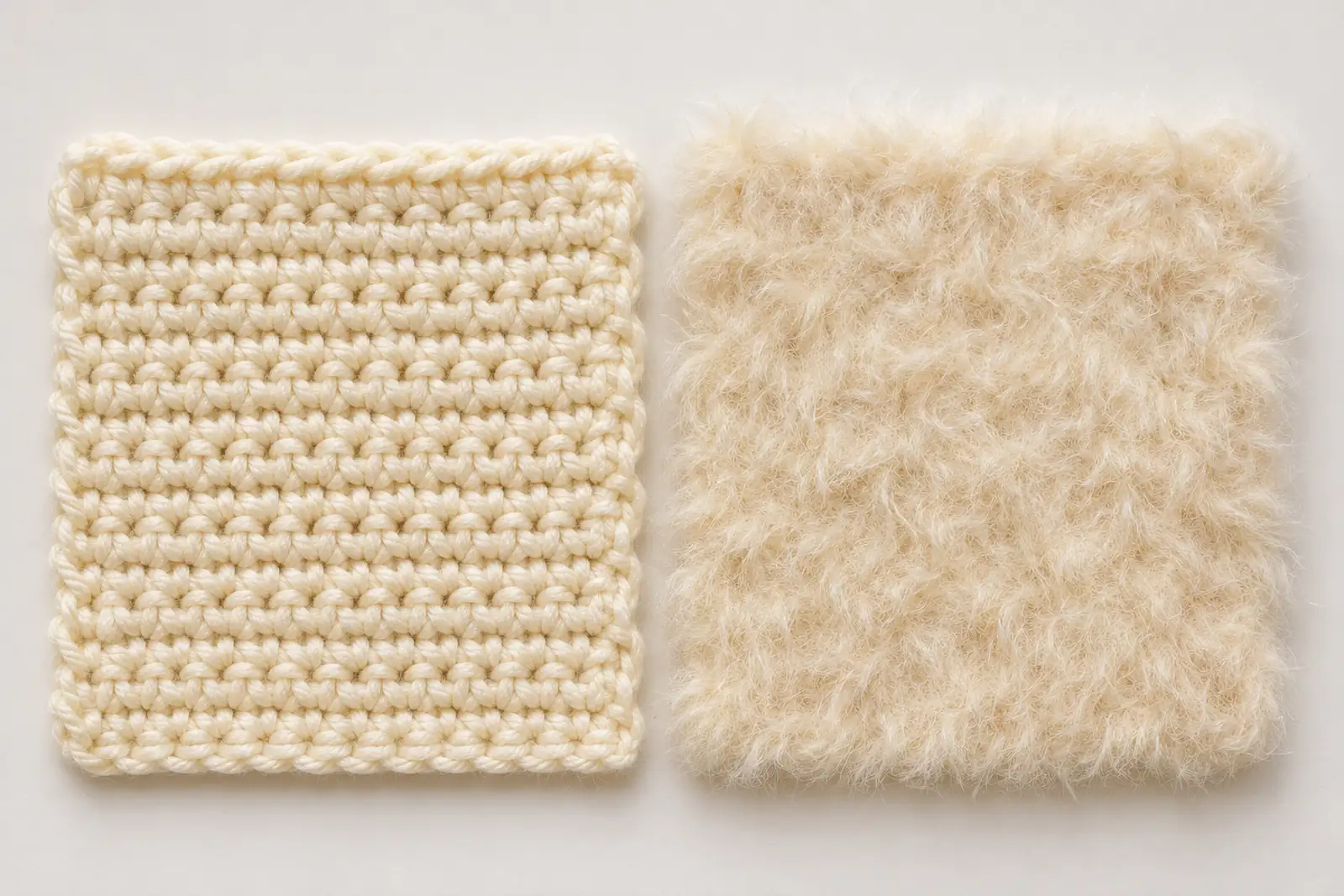
A smooth cream single crochet swatch on the left beside a furry cream swatch on the right, on an off-white surface
Table of Contents
  1. What Makes a Yarn Baby-Friendly
  2. Fibers for Baby Items
  3. Test Marks and Label Words
  4. Weights and Items
  5. What to Avoid
  6. Care for Finished Baby Items
  7. Key Takeaways
  8. Frequently Asked Questions

Quick answer: The best yarn for baby crochet is machine washable first and soft second. A smooth acrylic, cotton or cotton-acrylic blend in DK or worsted weight suits most pieces. Check the care label, look for a tested-label mark such as OEKO-TEX, and avoid novelty and furry yarns.

Baby yarn shelves are full of soft pastels and bold promises. One ball says baby, another says hypoallergenic, a third is hand wash only, and the new parents will wash whatever you make far more often than you expect. Which words actually mean something?

This guide puts washing first, then softness, then the fiber that suits each item. It explains what a tested-label mark such as OEKO-TEX covers, which label words are not standards, the weights baby patterns use, what to avoid and how to care for the finished piece.

I check the care label first. If the yarn is not machine washable and dryer safe, it goes back on the shelf, however soft it feels, because baby things are washed constantly.

What Makes a Yarn Baby-Friendly

Baby yarn should be machine washable first and soft second, because baby items are washed often. No yarn is guaranteed safe, but you can check the care label, the fiber content and any test mark. For the wider picture, see the crochet yarn and materials guide.

Machine Washable First

A baby yarn should say machine washable on the band. Read the care line before anything else. Yarns labeled superwash or machine washable can go in a washing machine, and many other bands say to hand wash. A yarn that must be hand washed is a poor fit for something washed often. Wash and dry as the band says, and follow its cycle and temperature rather than a number from this page. For what the care symbols mean, see how to read a yarn label.

Soft Against the Skin

Softness varies from yarn to yarn, even within the same fiber. One acrylic can feel soft and another scratchy, and cotton can feel silky or rough. Feel the skein, or press a few strands against the inside of your wrist or cheek, before you buy. If you shop online, read reviews from people who have worked with the yarn. One guide says acrylic often feels softer after washing, which is likely but not certain, so wash a swatch to see. Smooth, soft yarns suit baby items best.

Smooth, Firm and Durable

Choose a smooth, evenly spun yarn and a stitch that gives a closed fabric. A smooth yarn shows each stitch clearly and is easier to work than a hairy one, which is why some guides tell beginners to start with less hairy yarns. The stitch and the hook size both change how open the fabric is, so work a swatch and look for gaps. Some guides also warn against open spots where a baby’s fingers or toes could catch. Handmade items wear, so check them regularly for loose parts or fraying yarn.

Fibers for Baby Items

Acrylic, cotton and blends of the two are the common baby yarn fibers because they are easy to wash. Wool is where guides disagree. The table below sets out the six fibers you will meet, and cotton vs acrylic yarn has the full comparison.

The Fiber Table

Fiber Good for Watch for
Acrylic Machine washable and affordable, a common choice for blankets and everyday pieces Softness varies, so feel it; an iron or too much heat can damage it
Cotton Breathable and machine washable, suits warm-weather pieces Costs more than acrylic, can feel rough or silky, has little stretch and can shrink
Cotton-acrylic blend A middle path, often washable and good for children’s garments Read the percentages and the care line before you buy
Superwash wool Acceptable if it is soft Confirm that the band says superwash, and wash a swatch first
Plain wool Guides differ, and some suggest wool blends for sweaters One guide calls it typically itchy and not washable, so follow the care line and ask the parents
Plant fibers such as bamboo, hemp and linen Washable on a gentle cycle and best dried flat Often less hard-wearing than cotton, so check the band

“Good for” is a tendency, not a rule, and the label and the pattern decide.

Wool and Animal Fibers

Guides disagree about wool for babies, so let the care line and the feel test decide. If the family has a known fiber allergy, ask before choosing a wool or another animal fiber. A fiber name with “baby” in it, such as baby alpaca, names a softer grade and not a safety mark. I use a smooth, soft acrylic or a cotton-acrylic blend for most baby pieces. See cotton vs acrylic yarn for how the two compare.

Test Marks and Label Words

A baby yarn label can carry a test mark and several marketing words, and only some of them have a definition behind them. Knowing which is which helps you read the band with less guesswork. For every symbol on a band, see how to read a yarn label.

What an OEKO-TEX Mark Covers

STANDARD 100 by OEKO-TEX is an independent test for harmful substances in textiles, including yarn. It tests for several hundred substances, such as certain dyes, pesticides in natural fibers, heavy metals, formaldehyde and phthalates. Its strictest class, product class I, covers items for babies and toddlers up to three years old. A valid label shows a test number and the testing institute, and a certificate runs for 12 months. The mark describes the tested yarn at the time of testing. It says nothing about softness, durability or how a yarn behaves in the wash, and it does not cover a button or trim you add.

Words That Are Not Standards

Hypoallergenic has no federal definition, at least for cosmetics, and no standard definition for yarn turned up, so read the fiber content and care line instead. Baby is a weight name for Craft Yarn Council categories 1 and 2, or a softer fiber grade, and it is not a safety label. Organic, natural and soft are marketing words that do not replace the fiber percentages. A test mark with a number and an institute can be checked, and a word cannot. For the fiber content and the symbols, see how to read a yarn label.

Weights and Items

Most baby patterns use DK or worsted weight yarn, with finer yarn for small or delicate pieces. The pattern’s weight wins, so check it before you shop. For the full weight chart and each category’s hook range, see the crochet yarn weight guide.

DK and Worsted Are the Common Weights

DK (category 3) and worsted (category 4) are the weights most baby patterns call for. See DK weight yarn for DK and the crochet yarn weight guide for the table and for swapping to another weight. Categories 1 and 2 carry the name baby in the Craft Yarn Council table, and finer yarn is used for babywear. Guides differ on durability: one suggests worsted or thicker, while many baby patterns are written in DK, so follow the pattern. A very thick, super bulky yarn is a poor fit for a blanket used indoors, according to one guide.

Match the Item to the Yarn

Baby item Usual weight Yarn priority
Blanket DK or worsted Machine washable, soft, a closed stitch
Cardigan or sweater DK, sometimes finer Soft and light, machine washable
Hat or beanie DK or worsted Soft, with a stretch that fits
Booties or sneakers DK or finer Usually a firm stitch that keeps its shape
Soft toy DK or worsted Usually a smooth, tightly plied yarn, with small parts left off (see What to Avoid)
Lovey or comfort toy DK or worsted Washable and smooth

“Usual weight” is a tendency, and the pattern’s weight wins, so wash a swatch first and check the care line.

Try the Baby Cardigan, Boho Rainbow Baby Blanket or Baby Beanie, or browse free baby wearables patterns and free blanket patterns. For baby blanket sizes and builds, see the crochet baby blanket guide.

What to Avoid

A baby item’s safety depends on how it is made and used as well as on the yarn. The yarn is only part of it, and the rest is the stitch, the extras you add and how the item is used.

Furry and Novelty Yarns

Furry and novelty yarns hide stitches, which makes a baby item harder to inspect. Because the stitches blur, it can be harder to spot a loose loop or a dropped stitch. Furry, ribbon and other novelty yarns also hide a pattern’s texture, and loops and gaps can catch small fingers, according to some guides. Choose a smooth yarn with a simple stitch instead. The photo below shows two swatches made on purpose with the same hook and stitch count, one in a smooth yarn and one in a furry yarn.

Best yarn for baby crochet comparison: a smooth cream single crochet swatch with clear stitches beside a furry cream swatch made with the same hook where the stitches are hard to see Made on purpose: the same stitch and hook in a smooth yarn (left) and a furry novelty yarn (right).
Small Parts, Cords and Sleep

Some guides name small parts, cords and ties as the main hazards on handmade baby items, and the yarn does not remove them. They advise leaving off buttons, beads and hard eyes for children under three, or embroidering the detail instead. Sew every piece on securely and use safety stuffing in toys. Cords, ties and long scarves can be a strangulation risk, and the same guides say children under three should not handle or wear handmade items unsupervised. Handmade items are not tested to toy or product safety standards, so say so when you gift one. A handmade blanket does not replace safe-sleep advice from the baby’s doctor. For toys, see amigurumi safety eyes.

Care for Finished Baby Items

Care for a baby item starts before the first wear, with a wash and a check of the ends. It continues with the gift, because the parents need to know how to wash it. The two sections below cover the wash, the check and the care tag.

Wash First, Then Check the Ends

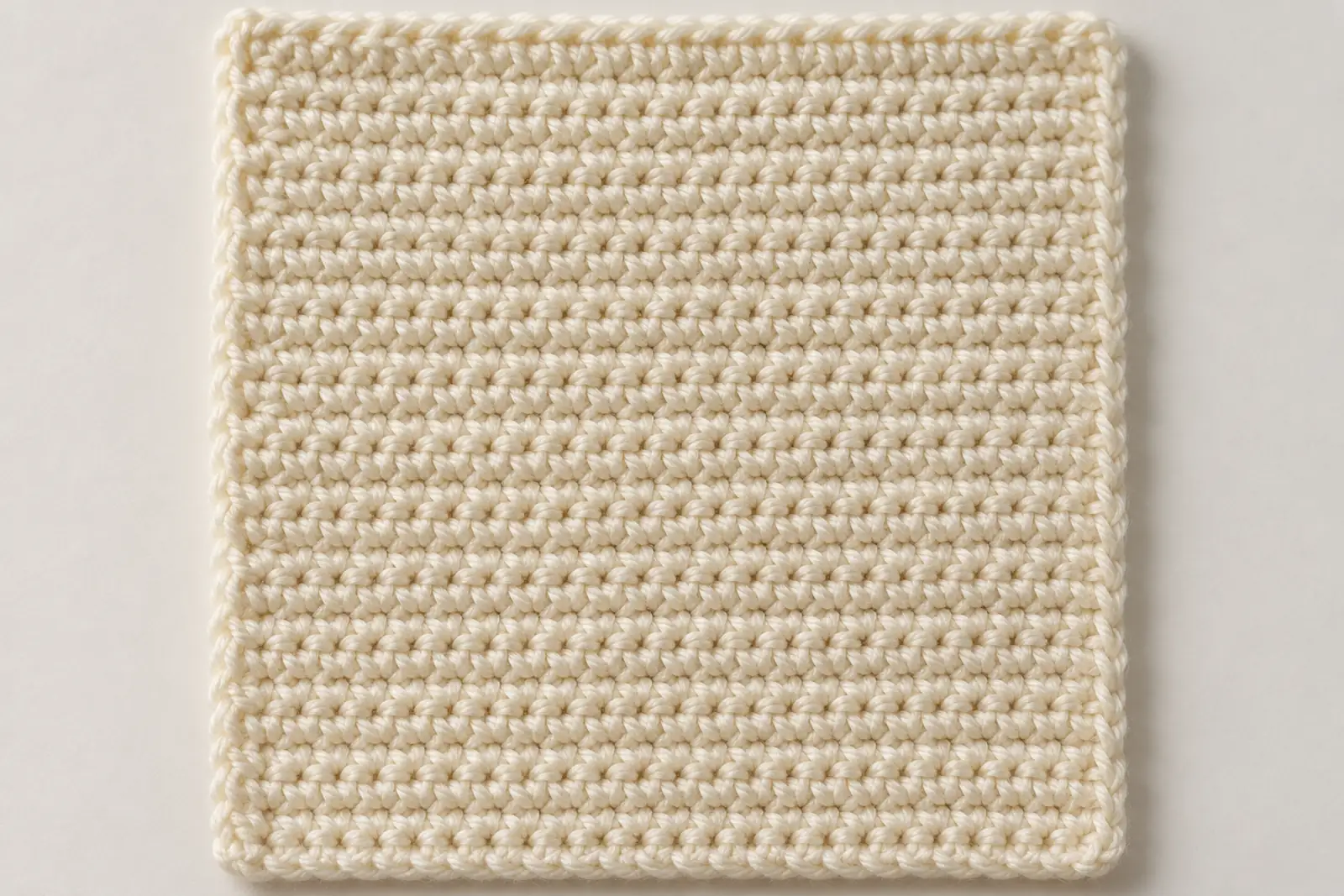
Wash a swatch before you start, then wash the finished piece once, as the band says, before you gift it. Check that every end is woven in and that the stitches have not loosened. Dry as the band says, and if you air dry, lay the piece flat and shaped, because the weight of a crocheted item can stretch it out of shape if it hangs. I wash the finished piece once and check the stitches and ends before I gift it. The photo below shows the wrong side of a washed swatch.

The wrong side of a washed cream single crochet swatch with every yarn end woven in and none left loose Wrong side of a washed swatch: every end is woven in.
Add a Care Tag

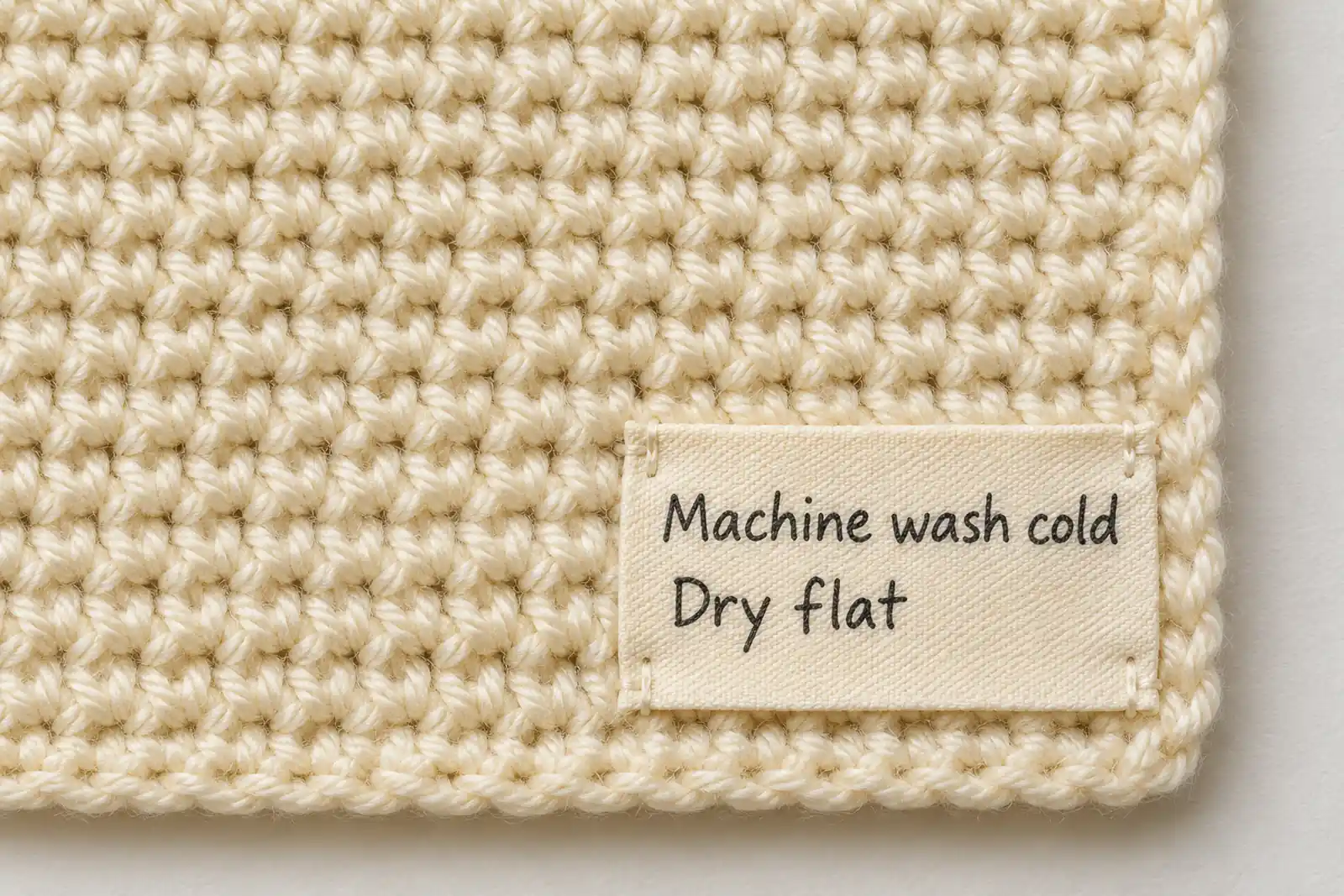
Sew a small care tag onto larger baby items and copy the care line from the yarn band in plain words, written in permanent marker, so the parents do not have to guess. Keep a band or a note of the yarn and its care with the leftover yarn. When you gift the item, pass on the safety points from the What to Avoid section. The photo below shows a handwritten tag sewn to a swatch.

A small handwritten care tag sewn with matching thread to the corner of a cream crocheted swatch A handwritten care tag sewn to the corner, copied from the yarn band.
Key Takeaways

  • Choose a machine washable yarn first and a soft one second, because baby items are washed often.
  • Smooth acrylic, cotton and cotton-acrylic blends in DK or worsted weight suit most baby pieces, and the pattern’s weight wins.
  • An OEKO-TEX mark shows the yarn was tested for harmful substances and carries a number you can check, while hypoallergenic, baby and organic are marketing words, not tested marks.
  • Skip furry and novelty yarns, and leave small parts, cords and ties off items for children under three.
  • Wash the finished piece once, check the ends and sew in a care tag copied from the band.

Frequently Asked Questions

Is acrylic yarn good for baby blankets?

Yes, it is a common choice because it is machine washable and affordable. Softness varies a lot from one acrylic to another, so feel the skein, read the care line and wash a swatch first. Choose a smooth yarn in DK or worsted weight and a closed stitch. The fiber table above sets acrylic beside the other fibers, and cotton vs acrylic yarn compares the two in full.

Is cotton yarn good for baby clothes?

Yes, especially for warm weather. Cotton is breathable and machine washable, though it costs more than acrylic, has little stretch and can shrink, so check the care line and wash a swatch. A cotton-acrylic blend is a middle choice, so read the percentages on the band. The fiber table above lists the details, and cotton vs acrylic yarn compares the two fibers.

What does OEKO-TEX mean on baby yarn?

It means the yarn was tested against a list of harmful substances by an independent system, and the strictest class is for items for babies and toddlers up to three. A valid label shows a test number and the testing institute. The mark does not describe softness, durability or washing, and it does not cover buttons or trims you add. The Test Marks and Label Words section above has more.

Is wool okay for baby items?

Sometimes. Guides disagree: plain wool is often itchy and hand wash only, while a soft superwash wool is acceptable to many makers. Let the care line and the feel test decide, and ask the parents if the family has a fiber allergy. Acrylic, cotton and blends are easier to wash. The Wool and Animal Fibers section above has the details.

What weight yarn is best for baby items?

DK (category 3) and worsted (category 4) are the weights most baby patterns call for. Finer yarn suits small or delicate pieces, and categories 1 and 2 carry the name baby in the Craft Yarn Council table. The Weights and Items section above has the item table. Follow the pattern’s weight, and see the crochet yarn weight guide for the full table.

Portrait of Linda Davidsen

Written by

Linda Davidsen

Designer & founder

Linda has been crocheting for over 15 years and designs cozy, beginner-friendly patterns that anyone can finish in a weekend.

Keep reading

All posts